
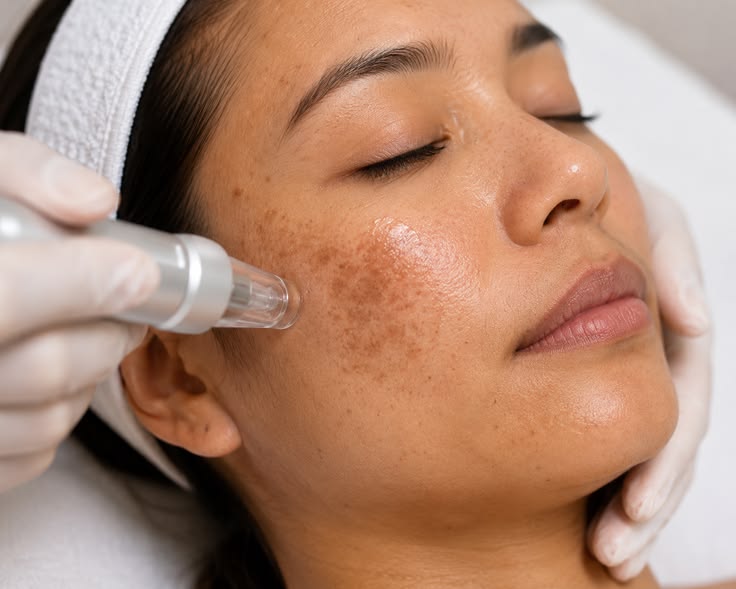
Pigmentation & Melasma Treatment
Concerned about stubborn dark patches, uneven skin tone, or visible pigmentation? Discover a personalized approach to Pigmentation & Melasma Treatment at Pakistan Wellness Centre, where skincare solutions are selected according to your individual skin concerns. Our treatment approach focuses on improving the appearance of pigmentation, supporting healthier-looking skin, and helping you maintain a more even-looking complexion. Limited-Time Offer: Enjoy 20% OFF Your Pigmentation & Melasma Treatment!
About Pigmentation & Melasma Treatment
Pigmentation & Melasma Treatment refers to a range of skincare and medical approaches designed to help manage excessive or uneven skin pigmentation. Skin pigmentation occurs when melanin, the pigment responsible for skin colour, becomes unevenly distributed or is produced in excess. This may result in dark spots, patches, or areas of uneven skin tone. Melasma is a common pigmentation condition that typically causes brown or grey-brown patches, particularly on the cheeks, forehead, upper lip, and other sun-exposed areas. It can be influenced by several factors, including sun exposure, hormonal changes, genetics, and certain medications. At Pakistan Wellness Centre, the aim is to identify your pigmentation concerns and recommend a suitable management approach based on your skin assessment.
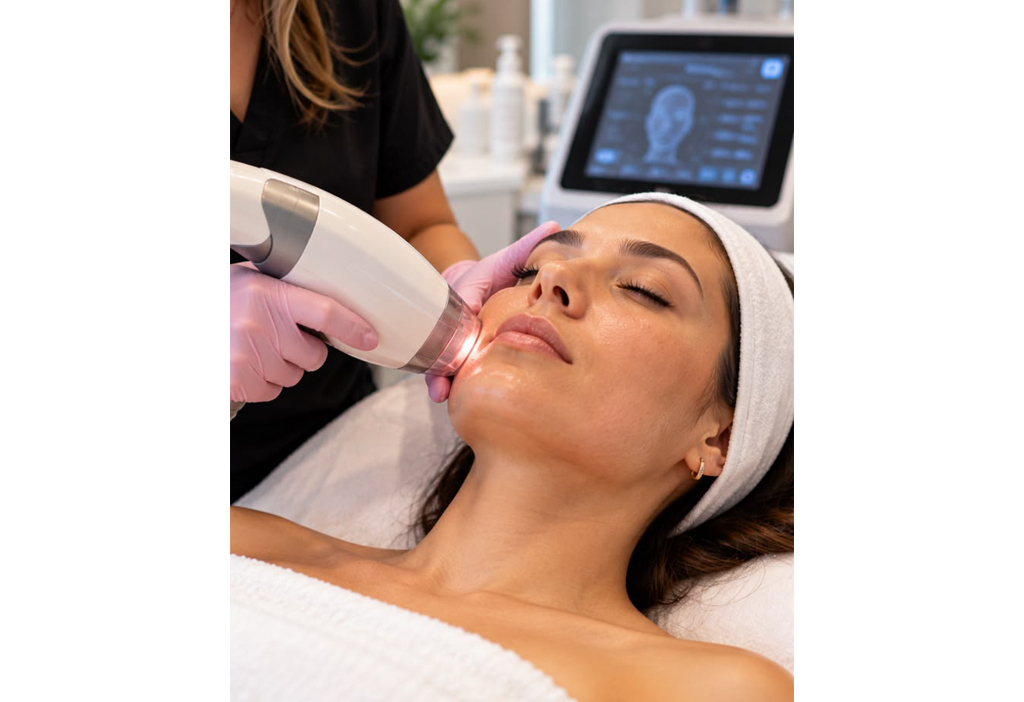
Potential Benefits of Pigmentation Treatment
Appropriate treatment may gradually reduce the appearance of certain dark patches and help create a more even-looking complexion.
A personalized approach helps address the specific type and possible triggers of pigmentation.
Some treatment options may help lighten selected areas of excess pigmentation over time.
A suitable skincare routine can support a smoother, healthier-looking complexion.
Ongoing skincare and sun protection may help maintain improvements and reduce avoidable pigmentation triggers.
Recommendations can be adjusted according to your skin type, pigmentation pattern, treatment response, and individual needs. CTA Button: Start Your Skin Consultation
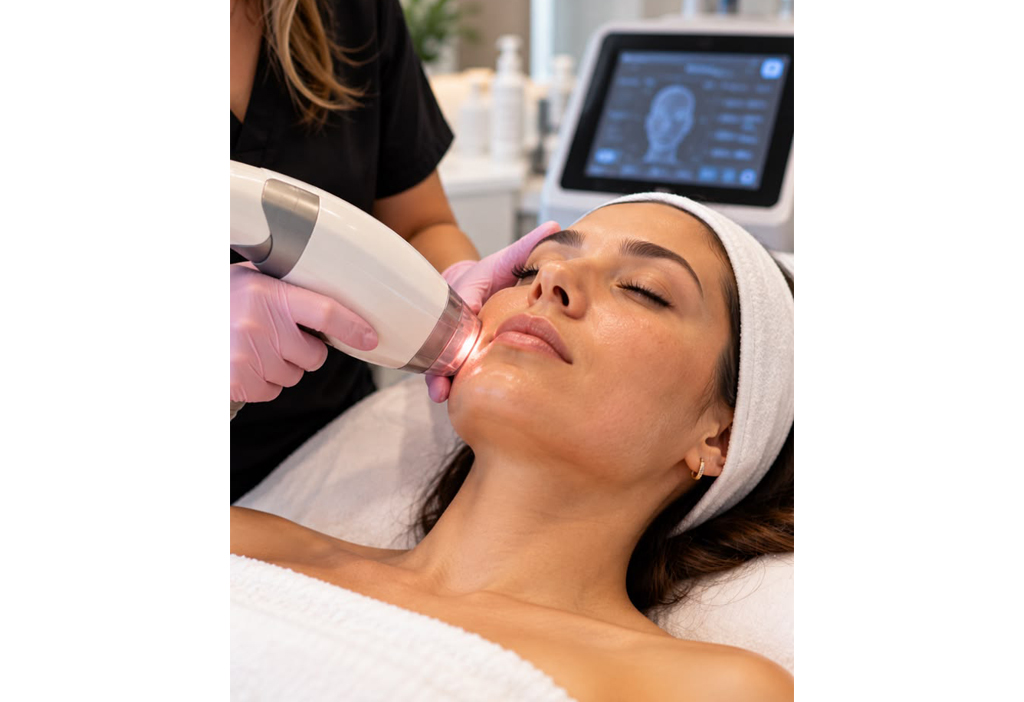
Common Pigmentation Concerns
Different pigmentation conditions require different management strategies. A proper assessment is important before choosing treatment.
- Melasma: Brown or grey-brown facial patches that may recur.
- Sun-Related Pigmentation: Dark spots associated with cumulative sun exposure.
- Post-Inflammatory Hyperpigmentation: Dark marks that may develop after acne, irritation, or inflammation.
- Uneven Skin Tone: Areas of skin that appear darker than the surrounding complexion.
- Visible Dark Spots: Localized pigmentation that affects the appearance of skin clarity.
Frequently Asked Questions
Pigmentation is a broad term describing changes in skin colour caused by melanin or other factors. Melasma is a specific condition that commonly causes symmetrical brown or grey-brown patches on the face.
Melasma is often a chronic or recurring condition. Treatment may improve its appearance, but recurrence is possible, particularly when triggers such as sunlight and hormonal changes remain present.
Melasma can be associated with sun exposure, hormonal changes, pregnancy, genetics, and certain medications. The exact contributing factors vary between individuals.
Treatment depends on the cause and type of pigmentation. Approaches may include topical skincare, prescription treatments where appropriate, sun protection, and carefully selected in-clinic procedures.
Pigmentation improvement is generally gradual. Some patients may notice changes over several weeks, while others require months of consistent treatment and maintenance. The timeline depends on the diagnosis, severity, and treatment response.
The number of sessions cannot be determined from pigmentation appearance alone. Some patients benefit primarily from ongoing topical management, while others may be suitable for a series of procedures. Your treatment plan should be based on a skin assessment.
This depends on the treatment method. Topical treatments generally do not involve a procedure, while certain in-clinic treatments may cause temporary tingling, warmth, or discomfort.
Downtime varies depending on the selected approach. Some treatments require little or no recovery time, while others may cause temporary redness, peeling, dryness, or sensitivity.
Yes. Some forms of pigmentation, particularly melasma, may recur. Sun protection, appropriate skincare, and maintenance treatment can help manage recurrence.
Certain laser or light-based procedures may be considered in selected cases. However, laser treatment is not automatically the best option for melasma and may worsen pigmentation or cause recurrence in some patients. The decision should be made after a qualified assessment.
Treatment can be planned for different skin tones, but the choice of products and procedures is especially important. Aggressive exfoliation and unsuitable energy-based procedures may increase the risk of post-inflammatory hyperpigmentation.
Gentle skincare and consistent sun protection are essential. Depending on your individual needs, your provider may recommend pigment-targeting ingredients or prescription treatments. Avoid using strong bleaching products or combining multiple active ingredients without appropriate guidance.