
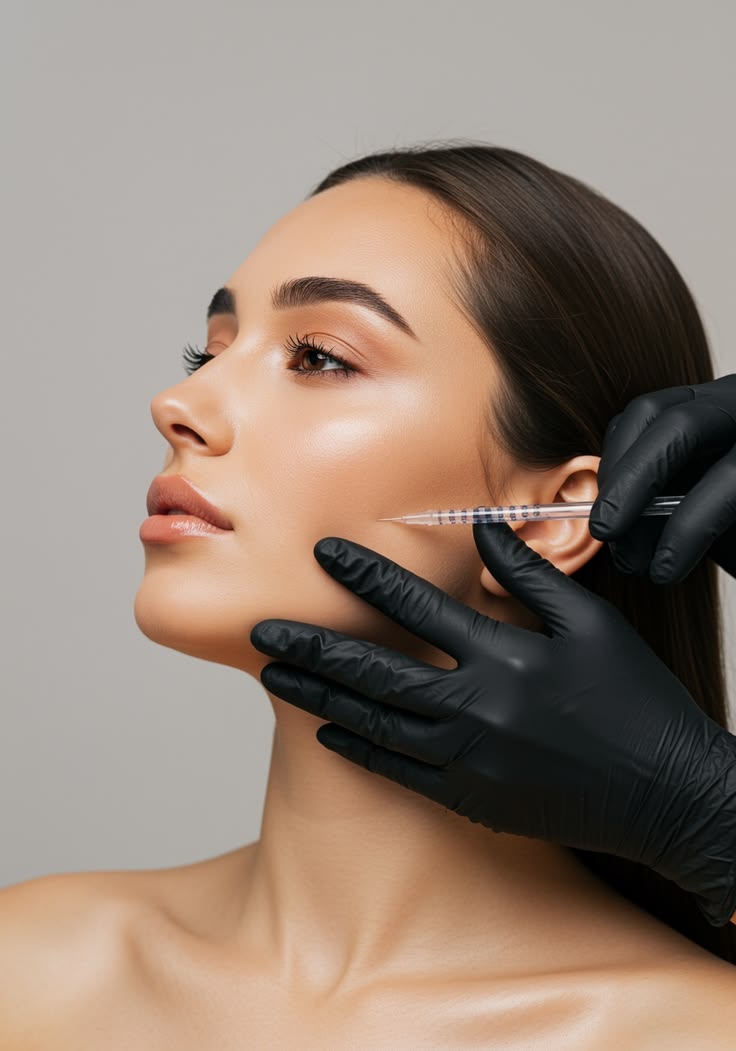
Dermal Fillers
Enhance Your Natural Features with Personalized Facial Contouring Discover a personalized approach to facial enhancement with Dermal Filler Treatments at Pakistan Wellness Centre. Dermal fillers are injectable aesthetic products used to restore volume, enhance selected facial features, and improve the appearance of certain facial lines and folds. Whether you are considering subtle lip enhancement, improved cheek definition, or facial volume restoration, dermal fillers may offer a non-surgical treatment option. At Pakistan Wellness Centre, we believe aesthetic enhancement should begin with a thorough facial assessment, clear treatment planning, and realistic expectations. Our approach emphasizes balanced, natural-looking results while respecting your unique facial anatomy. Dermal Fillers – Starting Range Rs. 35,000 Dermal Fillers – Upper Range Rs. 40,000
About Dermal Fillers - What Are Dermal Fillers?
Dermal fillers are injectable medical products used to add volume or improve contours in selected areas of the face. Many commonly used dermal fillers contain hyaluronic acid (HA), a substance naturally found in the body that helps retain moisture. Other filler materials also exist, with different properties, indications, durations, and safety considerations.
- Lip volume and definition
- Cheek volume restoration
- Certain facial folds
- Selected facial contouring goals
- Age-related volume loss
- Facial asymmetry in suitable patients
Dermal fillers are not interchangeable across all treatment areas. Product selection depends on the intended use, facial anatomy, and the manufacturer's approved indications. A professional consultation is necessary to determine whether a filler is appropriate and which product may be suitable.

Potential Benefits of Dermal Fillers
Dermal fillers may help restore volume in selected areas affected by age-related changes.
Suitable fillers may be used to increase lip volume or improve lip definition.
Certain fillers can add volume to the cheeks and help enhance facial contours.
Dermal fillers may soften the appearance of selected lines and folds by adding volume beneath the skin.
Careful treatment planning may help improve the appearance of certain facial asymmetries.
Dermal filler procedures do not require conventional surgery, although they involve injections and carry medical risks.
The treatment approach and quantity can be tailored to individual facial features and aesthetic goals.
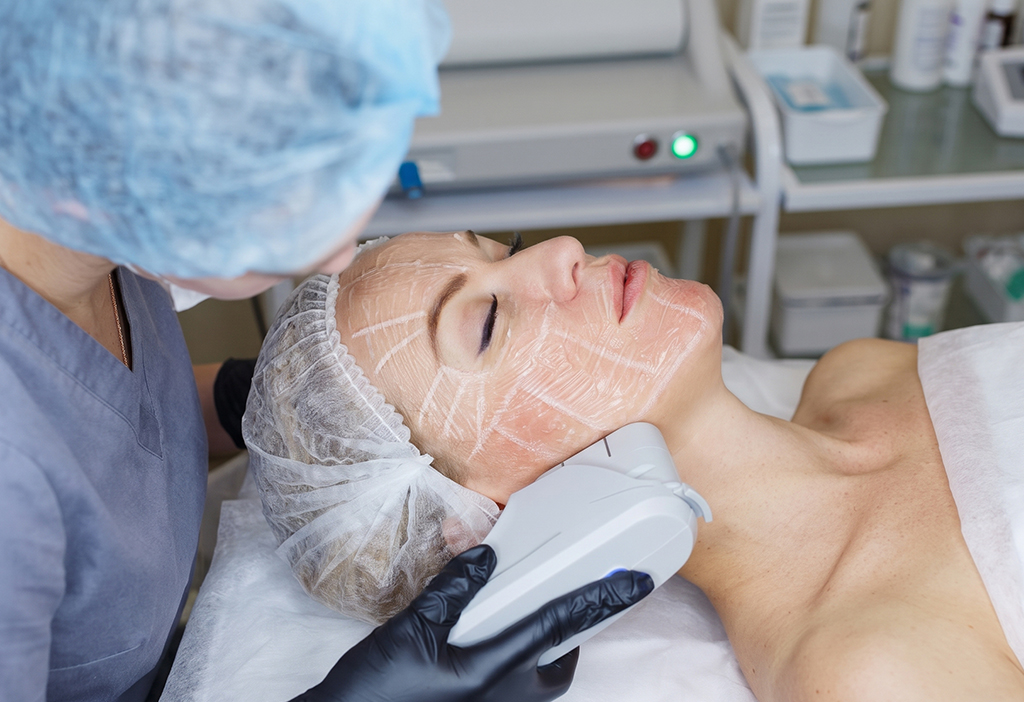
Common Dermal Filler Treatment Areas
Profhilo treatment involves the administration of a specific hyaluronic acid formulation into selected treatment areas. The injection technique, number of sessions, and treatment sites should follow the product's applicable instructions and a qualified practitioner's assessment.
Common Dermal Filler Treatment Areas
Personalized Enhancement for Different Facial Features Different areas of the face have different anatomical structures and treatment considerations. Not every filler is appropriate for every facial region.
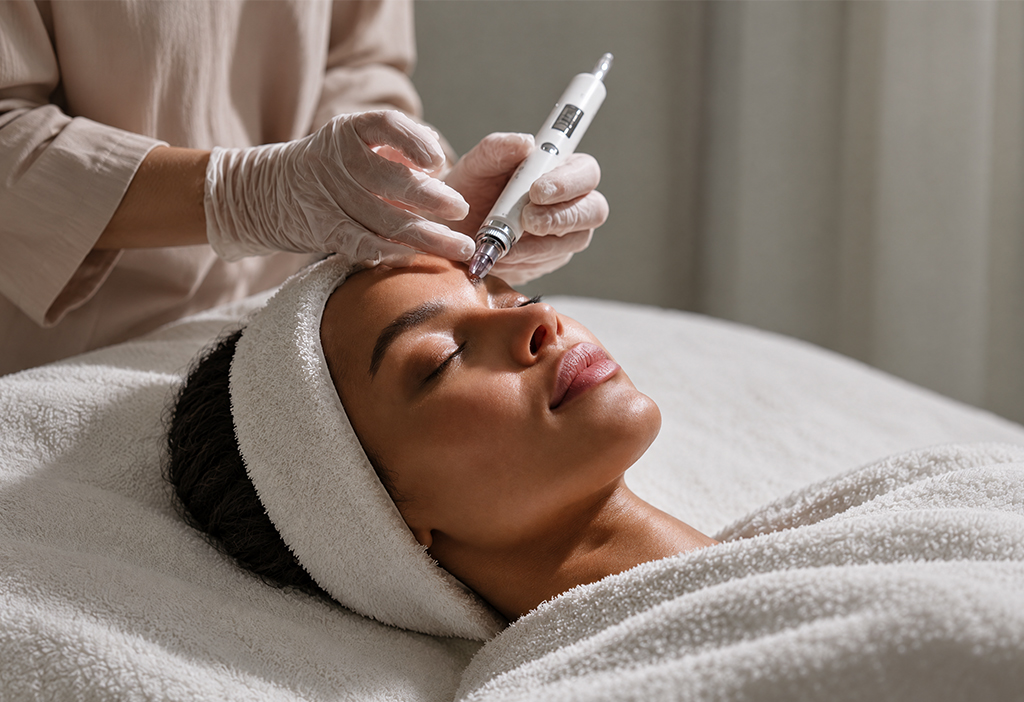
Enhance Lip Volume and Definition
Lip fillers are used to add volume or improve the shape and definition of the lips. Potential treatment goals include: Subtle lip volume enhancement Improved lip definition Better balance between the upper and lower lips Correction of selected volume-related asymmetries The final appearance depends on the product, injection technique, anatomy, and amount used.
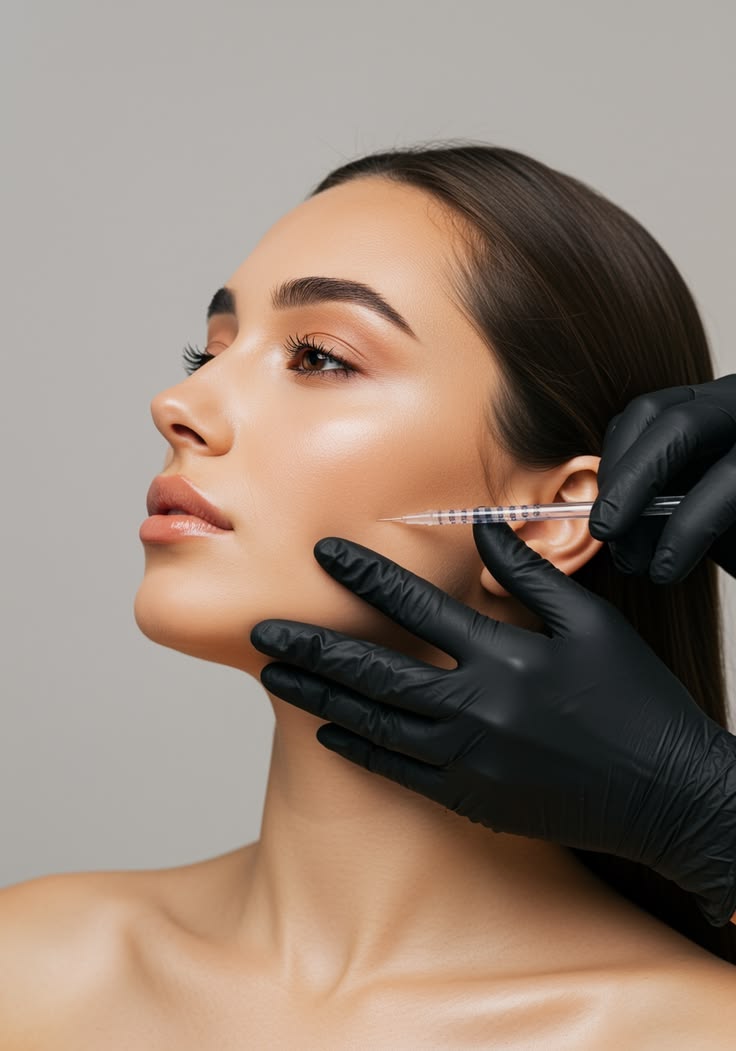
Restore Volume and Improve Cheek Contours
Cheek fillers may be considered for individuals experiencing reduced cheek volume or seeking greater cheek definition. Potential goals include: Restoring selected areas of lost volume Improving cheek projection Enhancing facial contour Creating a more balanced appearance Results vary according to facial structure and treatment planning.
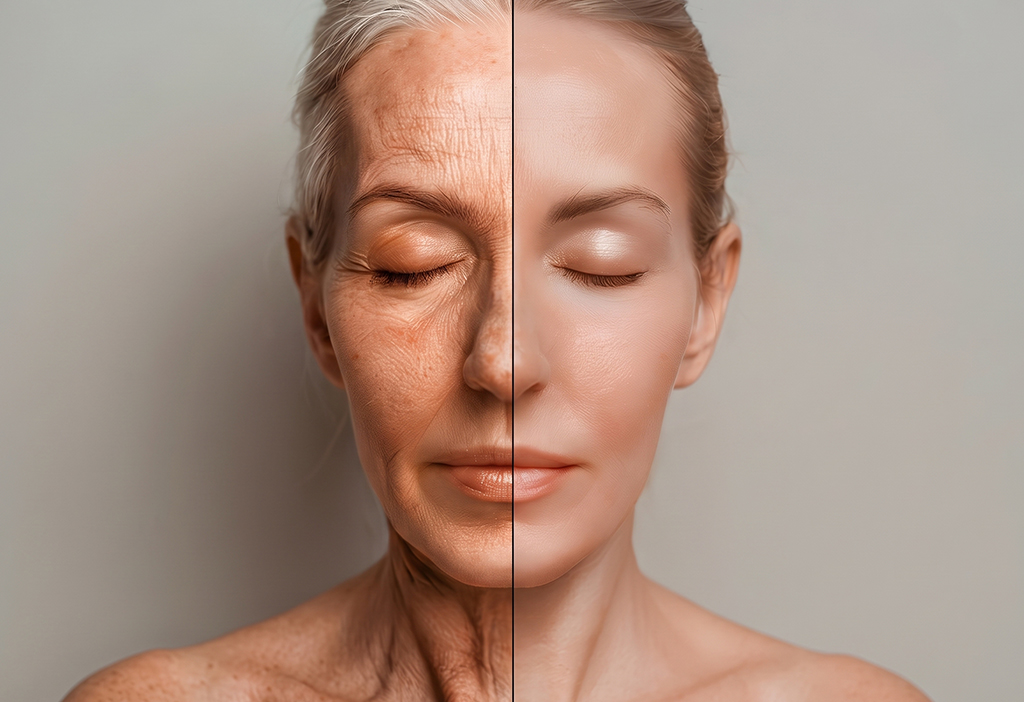
Explore Non-Surgical Jawline Contouring
Selected dermal fillers may be used for jawline enhancement in appropriately assessed patients. Potential goals include: Improving jawline definition Adding contour to selected areas Addressing certain volume-related asymmetries Jawline treatment suitability depends on the product, anatomy, and the practitioner's assessment.

Enhance Chin Projection and Facial Proportions
Chin fillers may be used to improve chin projection or contour in suitable patients. The treatment plan should consider the relationship between the chin, jawline, lips, and overall facial proportions.

How Do Dermal Fillers Work?
Your Step-by-Step Dermal Filler Experience Dermal fillers work by placing an appropriate injectable product into selected tissue layers to achieve a specific aesthetic goal. The procedure must be performed by an appropriately qualified healthcare professional with detailed knowledge of facial anatomy and injectable complications.
- Your aesthetic goals
- Facial anatomy and proportions
- Previous filler or cosmetic treatments
- Medical history
- Allergies
- Current medications
- Relevant skin conditions
- Treatment expectations

Facial Consultation & Assessment
The practitioner identifies the proposed treatment area and discusses the expected amount of filler. The product brand, formulation, quantity, possible outcomes, limitations, and risks should be explained before treatment. The final number of syringes depends on clinical assessment rather than a fixed cosmetic formula.
The treatment area is cleansed and prepared using appropriate infection-control measures. Depending on the product and treatment area, comfort measures may be considered.
The selected filler is injected using a technique appropriate for the treatment area and product. The practitioner assesses the facial anatomy and treatment response throughout the procedure.
After the injections, the treated area is assessed for the intended contour and any immediate adverse effects. Temporary swelling, tenderness, redness, or bruising may occur.
Your provider will explain the expected recovery process and provide instructions for caring for the treated area. Swelling may temporarily affect the appearance of the result.
A follow-up assessment may be recommended to review the result after swelling has settled. Additional treatment, if appropriate, should be based on clinical assessment and patient preference.
Everything You Need to Know About Dermal Fillers
Dermal fillers are injectable medical products used to add volume, improve selected facial contours, or soften the appearance of certain facial folds.
Many commonly used dermal fillers contain hyaluronic acid. Other filler materials are also available, but their properties, uses, and safety considerations differ. The exact product should be confirmed before treatment.
Dermal fillers primarily add volume or improve contours. Botox works by temporarily reducing activity in selected muscles and is commonly used for certain expression-related wrinkles.
Patients may experience temporary discomfort during injections. Some filler products contain lidocaine, and additional comfort measures may be considered when appropriate.
An appointment may take approximately 30–60 minutes, depending on the treatment area, consultation, and procedure. The exact duration varies.
Dermal filler longevity depends on the product, treatment area, individual metabolism, and other factors. Some hyaluronic acid fillers may last approximately 6–18 months, while certain products may last longer or shorter. No specific duration can be guaranteed.
Many commonly used hyaluronic acid fillers are temporary. However, some other filler materials are longer-lasting or permanent. The product type should be clearly identified before treatment.
The number of syringes depends on your treatment goals, facial anatomy, product selection, and professional assessment. One syringe may be sufficient for some treatments, while others may require more.
Natural-looking enhancement is often a treatment goal. However, the result depends on product choice, anatomy, injection technique, and the amount used.
Lip fillers carry risks, including swelling, bruising, infection, lumps, and rare vascular complications. Treatment should only be performed by an appropriately qualified practitioner using a suitable product.
Fillers may improve the appearance of selected volume-related asymmetries. Perfect facial symmetry is not a realistic or guaranteed treatment outcome.
Temporary swelling, bruising, redness, or tenderness may occur. Some patients resume routine activities quickly, but visible swelling or bruising can last several days or longer.
Changes in volume or contour are often visible immediately after treatment. However, swelling may affect the initial appearance, and the final result should be assessed after recovery.
Some hyaluronic acid fillers can be treated with hyaluronidase, an enzyme used by qualified healthcare professionals. However, dissolving filler is a medical procedure with its own risks and does not guarantee complete reversal. Non-hyaluronic acid fillers generally cannot be dissolved using hyaluronidase.
Follow your practitioner's specific aftercare instructions. Depending on the treatment, these may include temporarily avoiding excessive pressure on the treated area, strenuous exercise, or intense heat. Seek urgent medical attention if you experience severe pain, unusual skin discoloration, visual changes, or neurological symptoms.
Combination treatments may be appropriate for selected patients. The sequence and timing should be determined by a qualified practitioner.
Many commonly used filler products are supplied in 1 mL syringes, but syringe volume varies by brand and product. Always confirm the actual volume and product details before treatment.
No. Suitability depends on medical history, facial anatomy, treatment goals, contraindications, and the specific filler product.
The best starting point is a consultation with an appropriately qualified healthcare professional who can explain suitable products, expected outcomes, risks, and alternatives.