
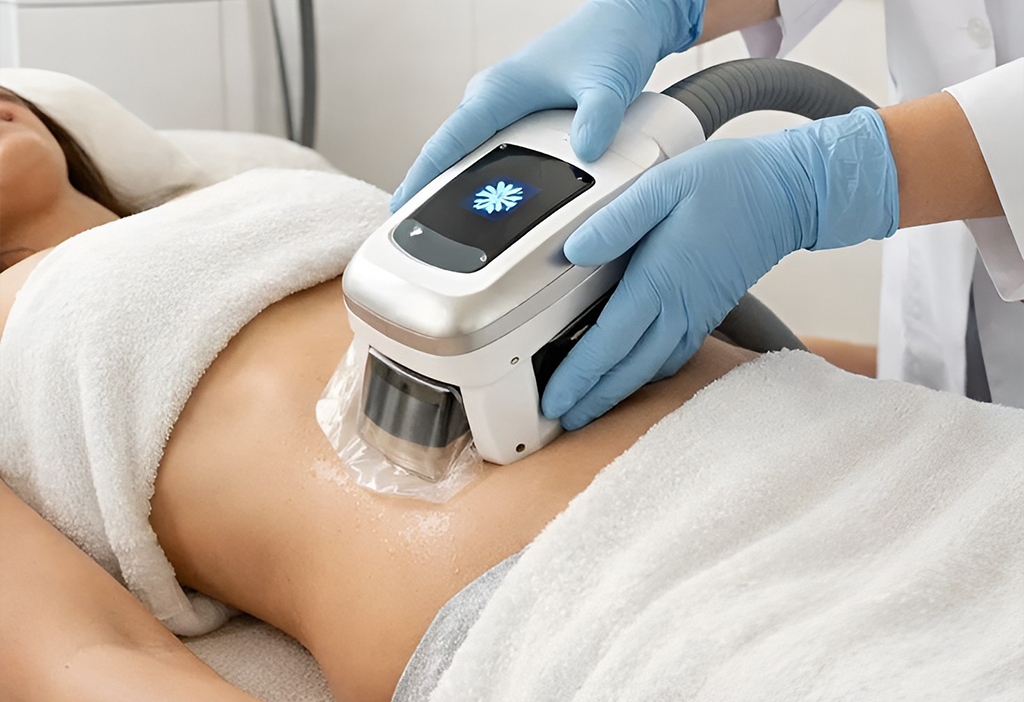
Cryolipolysis / Fat Freezing
Target Stubborn Fat. Shape Your Body. No Surgery Required. Discover Cryolipolysis / Fat Freezing at Pakistan Wellness Centre, a non-surgical body-contouring treatment that uses controlled cooling to reduce stubborn fat deposits in targeted areas. Enjoy a personalized approach to body shaping with gradual, natural-looking results. Limited-Time Offer: 20% OFF!
About Cryolipolysis
What Is Cryolipolysis / Fat Freezing? Cryolipolysis, commonly known as Fat Freezing, is a non-surgical aesthetic procedure that uses controlled cooling to target localized fat deposits beneath the skin. The treatment is based on the principle that fat cells can be more sensitive to cooling than certain surrounding tissues. When appropriate cooling is delivered through a suitable device, some treated fat cells may undergo changes that lead to their gradual clearance by the body. Over the following weeks and months, this process may produce a measurable reduction in the thickness of the treated fat layer. Cryolipolysis is commonly used for selected body-contouring concerns, depending on the device's approved indications.
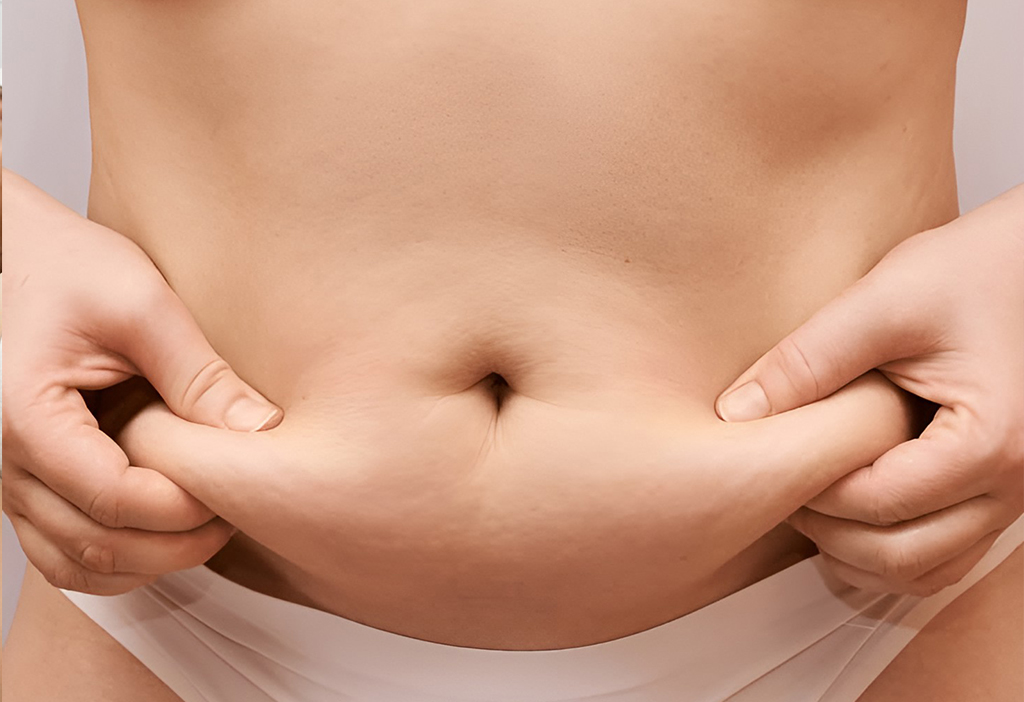
These may include:
- Localized abdominal fat - Fat around the waist or flanks - Selected thigh fat deposits - Upper-arm fat in suitable patients - Certain back-fat areas - Other localized fat deposits covered by the device's intended use The exact treatment areas available at Pakistan Wellness Centre depend on the cryolipolysis machine and applicators used. Cryolipolysis is designed for localized fat reduction rather than overall weight loss. It is not a treatment for obesity and does not replace healthy nutrition, physical activity, or medically supervised weight management.
Potential Benefits of Cryolipolysis
Cryolipolysis may reduce selected localized fat deposits without surgical incisions.
Treatment planning can focus on specific areas where suitable subcutaneous fat is present.
Conventional cryolipolysis does not normally require general anesthesia.
Changes may become noticeable over several weeks as the body clears affected fat cells.
Cryolipolysis does not involve surgical fat suction or the incisions associated with liposuction.
The number of treatment areas, applicator placement, and possible sessions can be considered according to individual body shape and goals.
Some individuals who do not want surgery may consider cryolipolysis after understanding its benefits, limitations, and risks.
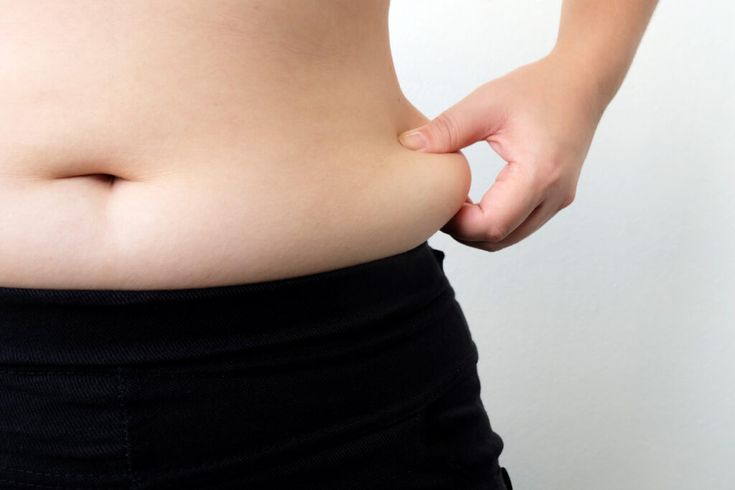
Love Handles / Flanks
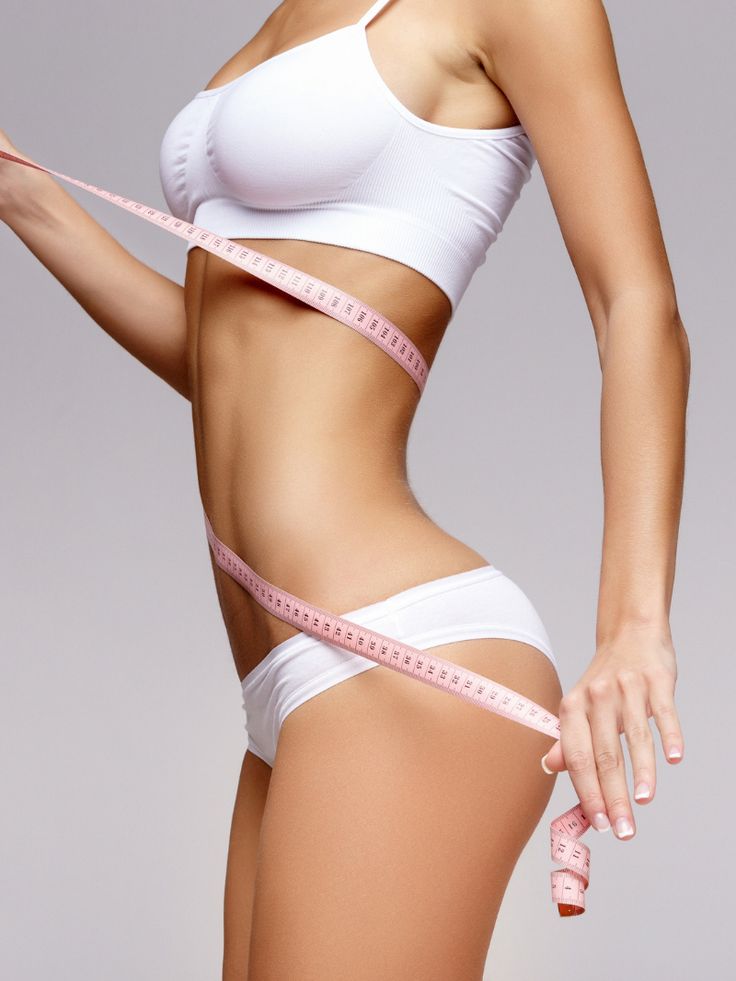
Target Localized Waistline Fat The flanks are the areas along the sides of the waist. Cryolipolysis may be considered for selected fat deposits in this region. Potential goals include: - Reducing localized flank fullness - Improving the appearance of waistline contours - Addressing certain stubborn fat deposits
Target Localized Fat Deposits
Explore Non-Surgical Abdominal Contouring The abdomen is a common area of concern for localized subcutaneous fat. Cryolipolysis may help reduce the thickness of suitable abdominal fat deposits. Potential treatment goals include: - Improving the appearance of selected abdominal bulges - Addressing localized pinchable fat - Refining abdominal contours The procedure does not treat internal visceral fat or guarantee a flat stomach.
Target Localized Waistline Fat The flanks are the areas along the sides of the waist. Cryolipolysis may be considered for selected fat deposits in this region. Potential goals include: - Reducing localized flank fullness - Improving the appearance of waistline contours - Addressing certain stubborn fat deposits
Personalized Thigh Contouring Selected cryolipolysis devices and applicators may be suitable for certain thigh areas. The appropriate approach depends on the location of the fat deposit, anatomy, and device indications. CTA Button: Discuss Thigh Contouring
Explore Targeted Upper-Arm Fat Reduction Some cryolipolysis systems have applicators intended for selected upper-arm fat deposits. Suitability depends on whether enough treatable subcutaneous fat is present and whether the device is indicated for that area.
Address Selected Back-Fat Deposits Certain localized back-fat areas may be suitable for treatment with an appropriately indicated device. A professional assessment is needed to distinguish fat deposits from skin laxity or other contour concerns.
Treatment Area Assessment
The practitioner identifies the proposed treatment area and checks whether it can be safely treated with the available applicator. The planned number of treatment cycles and expected cost should be explained before treatment.
Skin Preparation
The treatment area is prepared according to the device manufacturer's instructions. Depending on the system, a protective gel pad or other skin-protection component may be required.
Controlled Cooling
The cryolipolysis applicator is positioned on the selected area. Many systems use suction to draw suitable tissue into the applicator while controlled cooling is delivered. Patients may initially experience: - Cold sensations - Pulling or suction - Tingling - Temporary discomfort The treated area may become numb as cooling continues.
Everything You Need to Know About Cryolipolysis / Fat Freezing
Cryolipolysis is a non-surgical body-contouring procedure that uses controlled cooling to reduce selected deposits of subcutaneous fat.
A specialized applicator delivers controlled cooling to a suitable fat deposit. Some treated fat cells are affected by the cooling and are gradually cleared by the body over time.
No. Cryolipolysis is intended for localized fat reduction and body contouring. It does not treat obesity or produce substantial overall weight loss.
Clinical studies have shown that suitable cryolipolysis devices can reduce localized fat thickness in selected patients. However, the degree of improvement varies, and some patients experience little or no visible change.
The amount of reduction depends on the device, treatment area, protocol, and individual response. Some studies report average reductions in treated fat-layer thickness of approximately 10–25% after a treatment cycle, but results vary and this should not be interpreted as a percentage of total body fat or overall body weight.
Patients may feel cold, pulling, tingling, or discomfort during treatment. The area may become numb as cooling continues. Temporary soreness or sensitivity can occur afterward.
A treatment cycle may last approximately 35–60 minutes, depending on the device and applicator. Appointments may take longer when multiple areas or cycles are involved.
The number of sessions depends on the treatment area, amount of fat, device, and individual response. Some patients may be satisfied after one treatment cycle, while others may consider additional sessions after reassessment.
Some changes may become noticeable after several weeks. Results are commonly assessed around 2–3 months, although the process can continue longer.
Fat cells affected and cleared by the treatment do not simply regenerate immediately. However, remaining fat cells can enlarge with weight gain, and body contours can change over time. Results are not a guarantee against future fat accumulation.
Cryolipolysis may reduce suitable subcutaneous abdominal fat deposits. It does not treat visceral fat located deeper inside the abdomen.
Selected fat deposits around the flanks may be suitable for cryolipolysis when the device and applicator are intended for that area.
Many patients resume normal activities relatively quickly. However, swelling, bruising, soreness, numbness, or altered sensation may persist for days or weeks.
Yes. Temporary effects include redness, bruising, swelling, discomfort, and numbness. Less common complications include cold injury, persistent pain, contour irregularities, and paradoxical adipose hyperplasia.
Paradoxical adipose hyperplasia is a complication in which the treated fat becomes enlarged rather than reduced. It can develop months after treatment and may require surgical correction.
Neither treatment is universally better. Cryolipolysis may appeal to suitable patients seeking a non-surgical option for modest localized fat reduction. Liposuction may provide greater contour changes but involves surgery and different risks.
Cryolipolysis primarily targets fat rather than skin laxity. It should not be promoted as a reliable skin-tightening treatment.
Many patients can resume normal activities relatively quickly. Follow the specific aftercare instructions provided by your treatment professional.
Cryolipolysis may be considered for suitable adults regardless of gender. Eligibility depends on anatomy, medical history, and device indications.