
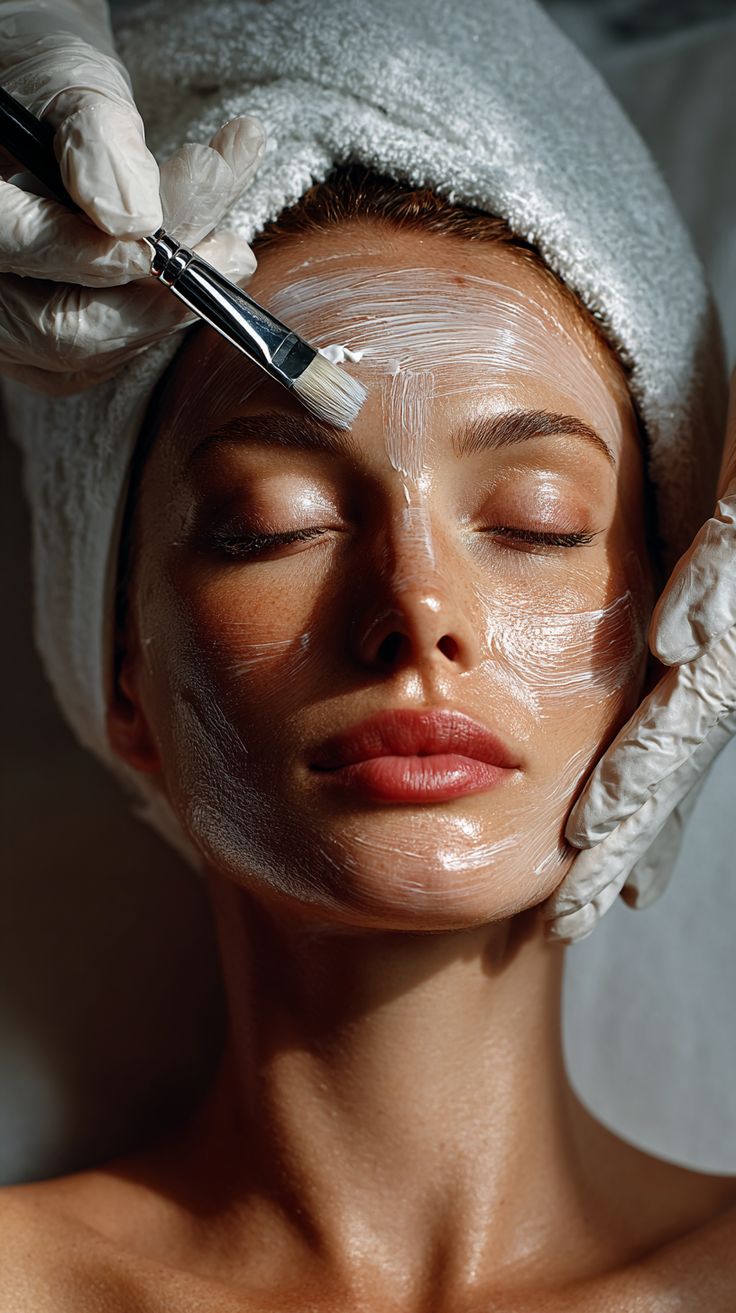
Chemical Peels
Reveal Smoother, Brighter & More Refreshed-Looking Skin Refresh your complexion with professional Chemical Peel Treatments at Pakistan Wellness Centre. Chemical peels are skin-resurfacing treatments designed to exfoliate the skin, improve uneven texture, and reduce the appearance of certain superficial pigmentation concerns. Whether you are concerned about dull-looking skin, rough texture, acne-related marks, or uneven skin tone, a carefully selected chemical peel may help improve your skin's overall appearance. At Pakistan Wellness Centre, we believe effective skincare begins with understanding your individual skin needs. Limited-Time Offer: Enjoy 20% OFF Your Chemical Peel Treatment!
About Chemical Peels
A Chemical Peel is a professional skin-resurfacing procedure that involves applying a carefully selected chemical solution to the skin. The solution causes controlled exfoliation of the outer skin layers, encouraging the removal of damaged surface cells and supporting the appearance of smoother, more even-looking skin. Chemical peels are available in different strengths and formulations, depending on the patient's skin type, concerns, and treatment goals. Common peeling agents include glycolic acid, salicylic acid, lactic acid, and trichloroacetic acid (TCA). Each has different properties and suitability considerations. The depth of a chemical peel may be classified as superficial, medium, or deep. At Pakistan Wellness Centre, the appropriate peel formulation and strength should be selected following a professional skin assessment.
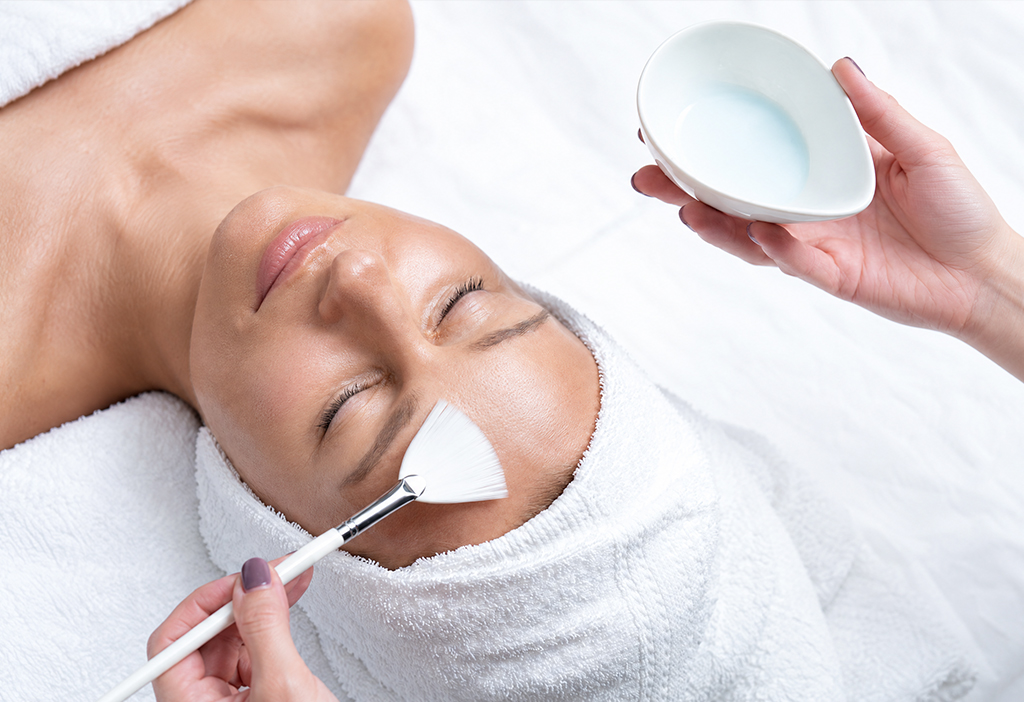
Your Step-by-Step Chemical Peel Experience
Your treatment begins with a professional assessment of your skin. Your provider evaluates your skin type, treatment goals, current skincare routine, and relevant medical history. Factors such as recent sun exposure, medications, skin sensitivity, and previous cosmetic treatments may affect peel suitability.
The treatment area is thoroughly cleansed to remove makeup, excess oil, and surface impurities. Additional preparation may be required depending on the selected peeling solution.
A carefully selected chemical solution is applied to the treatment area. The formulation and application time depend on the peel protocol and your skin's response. You may experience temporary tingling, warmth, or stinging during the procedure.
Appropriate post-treatment skincare is applied or recommended. Your provider will explain how to care for your skin, including moisturization, sun protection, and temporary avoidance of irritating skincare products.
Facial mesotherapy involves treatment of selected areas rather than relying solely on topical skincare.
Following treatment, the skin may feel dry, tight, or sensitive. Visible flaking or peeling may develop over the following days, depending on the type and depth of the peel. Not every chemical peel produces noticeable peeling.
Your provider may recommend follow-up appointments or additional sessions based on your skin concerns and treatment response.
Who Are Chemical Peels Suitable For?
Is a Chemical Peel Right for Your Skin? Chemical peels may be considered for individuals experiencing:
- Dull or tired-looking skin
- Uneven skin texture
- Rough skin
- Selected superficial pigmentation concerns
- Post-acne dark marks
- Mild acne or congested skin
- Certain superficial fine lines
- Sun-related skin changes
- Uneven-looking complexion
Who May Need Additional Assessment?
- Active skin infections
- Open wounds or significantly irritated skin
- Certain inflammatory skin conditions
- Recent tanning or excessive sun exposure
- A history of abnormal scarring
- Recent use of certain prescription acne medications
- Known allergies to peeling ingredients
- Pregnancy or breastfeeding, depending on the formulation
- A history of post-inflammatory hyperpigmentation
Everything You Need to Know About Chemical Peels
A chemical peel is a skin-resurfacing treatment that uses a selected chemical solution to exfoliate skin layers and improve the appearance of certain skin concerns.
Depending on the peel type, chemical peels may improve the appearance of uneven skin texture, dullness, superficial pigmentation, certain acne-related concerns, and fine lines.
Some patients experience tingling, warmth, or stinging during treatment. Discomfort varies according to the peel formulation, strength, and individual sensitivity.
A superficial chemical peel appointment may take approximately 20–45 minutes, including preparation and post-treatment care. More intensive treatments may require additional time.
Recovery depends on the peel depth and formulation. Superficial peels may cause temporary redness or flaking for several days. Medium and deep peels can require significantly longer recovery periods.
Certain superficial peels may help improve mild acne and oily or congested skin. However, active or persistent acne may require a broader medical treatment plan.
Certain superficial peels may help improve mild acne and oily or congested skin. However, active or persistent acne may require a broader medical treatment plan.
Some peels may improve superficial texture irregularities, but they generally cannot completely remove deeper or depressed acne scars. Other treatments may be more appropriate for certain scar types.
Selected chemical peels may improve certain types of superficial hyperpigmentation. However, inappropriate peels can worsen pigmentation, particularly in individuals prone to post-inflammatory hyperpigmentation.
Certain superficial peels may be considered as part of a carefully managed melasma treatment plan. However, melasma can worsen with irritation and may recur after treatment. Sun protection and appropriate medical skincare are important.
The number of sessions depends on your skin concerns, the selected peel, and your treatment response. Some patients seek a single treatment, while others may be advised to consider a series.
Your provider will advise when makeup can safely be resumed. This depends on the peel depth and your skin's recovery.
Avoiding unnecessary sun exposure Using appropriate broad-spectrum sunscreen Keeping the skin moisturized Avoiding harsh exfoliating products Not picking or peeling flaking skin Following your provider's instructions regarding active skincare ingredients
Not every chemical peel is appropriate for every skin type. The formulation, strength, application technique, and individual pigmentation risk must be considered before treatment.